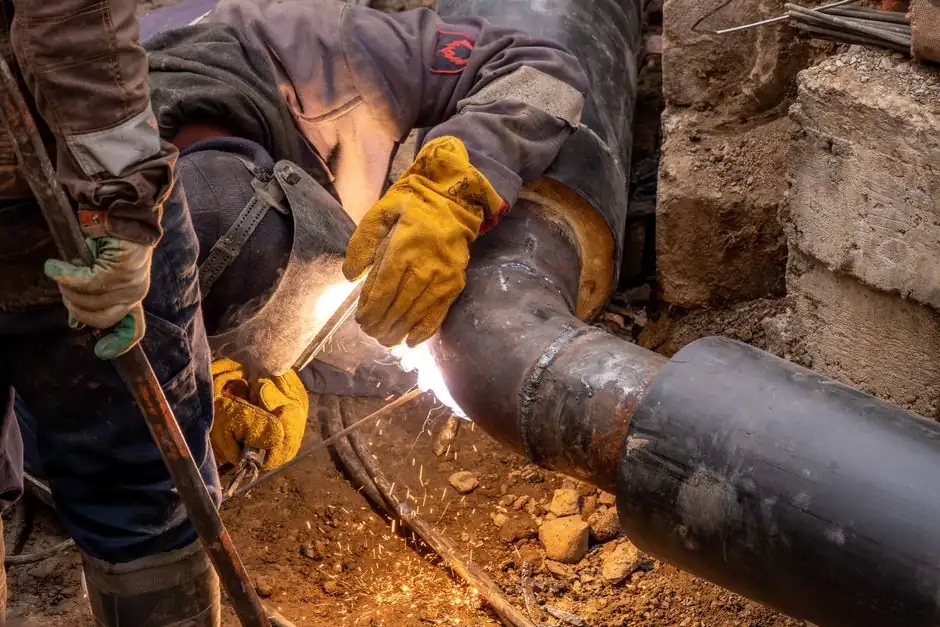
As a homeowner in Colorado, it's essential to understand the plumbing regulations that govern your property. Knowing the top 5 plumbing service regulations every homeowner in Colorado should know can help you avoid costly fines and ensure the safety of your home. This article will cover licensing requirements, necessary permits, common plumbing codes, and water conservation regulations that are specific to Colorado.
Understanding Colorado Plumbing Regulations
Plumbing regulations in Colorado are designed to protect public health and safety. These regulations ensure that plumbing systems are installed and maintained correctly. Homeowners should familiarize themselves with these rules to avoid violations. The Colorado Department of Public Health and Environment (CDPHE) oversees these regulations, which include local amendments that may vary by municipality.
Licensing Requirements for Plumbers
In Colorado, plumbers must be licensed to perform any plumbing work. This requirement is in place to ensure that only qualified individuals handle plumbing installations and repairs. There are different types of licenses, including:
- Apprentice Plumber
- Journeyman Plumber
- Master Plumber
Each license level has specific requirements regarding education, experience, and examinations. For example, a Master Plumber must have at least two years of experience as a Journeyman and pass a comprehensive exam. Homeowners should always verify that their plumber holds the appropriate license to avoid issues with emergency plumbing services in Colorado.
Permits and Inspections
Before starting any significant plumbing project, homeowners must obtain the necessary permits. Permits are required for:
- New plumbing installations
- Major repairs or replacements
- Alterations to existing plumbing systems
After obtaining a permit, an inspection by a licensed inspector is usually required to ensure compliance with local plumbing codes. Failure to secure a permit can lead to fines and complications when selling your home. If you're unsure about the permitting process, consulting with a local plumber in Denver can provide clarity.
Common Plumbing Codes in Colorado
Colorado follows the International Plumbing Code (IPC) with some local amendments. Key codes that homeowners should be aware of include:
- Pipe sizing requirements
- Drainage system design
- Water supply system standards
These codes are in place to ensure that plumbing systems function efficiently and safely. For instance, proper pipe sizing is critical to prevent issues such as low water pressure or backflow. Homeowners should consult the local building department for specific codes applicable to their area.
Water Conservation Regulations
Colorado is known for its dry climate, making water conservation a priority. The state has implemented regulations that require:
- Low-flow fixtures in new constructions
- Water-efficient appliances
- Regular maintenance of irrigation systems
These regulations aim to reduce water waste and promote sustainable practices. Homeowners should consider upgrading to water heater services in Colorado that comply with these conservation standards.
What Homeowners Should Watch Out For
While navigating plumbing regulations, homeowners often make common mistakes. Here are a few to avoid:
- Neglecting to obtain required permits
- Hiring unlicensed plumbers
- Ignoring local amendments to state codes
Staying informed about Colorado drain cleaning regulations and ensuring compliance can save you from legal issues and costly repairs down the line.
When to Call a Professional
If you encounter plumbing issues that require extensive knowledge of local regulations, it's wise to consult a professional. Fathom Plumbing offers expert advice and services tailored to Colorado's plumbing standards. Our team can help you navigate complex regulations and ensure your plumbing system is compliant.
Frequently Asked Questions
What plumbing regulations apply to homeowners in Colorado?
Homeowners must adhere to state plumbing codes, which include obtaining permits for major plumbing work and ensuring that all plumbing systems are installed by licensed professionals.
How can I ensure my plumbing is compliant in Colorado?
To ensure compliance, always hire licensed plumbers, obtain necessary permits, and familiarize yourself with local plumbing codes and regulations.
What should homeowners know about plumbing codes in Colorado?
Homeowners should understand that Colorado follows the International Plumbing Code with local amendments, emphasizing safety and efficiency in plumbing installations.
Are there specific plumbing codes for water conservation in Colorado?
Yes, Colorado mandates the use of low-flow fixtures and water-efficient appliances in new constructions to promote water conservation.
What are the consequences of not following plumbing regulations?
Failure to comply with plumbing regulations can result in fines, complications during property sales, and potential safety hazards.